How a Gameplay Idea Becomes a Product
How a Gameplay Idea Becomes a Product
Every product begins with an idea.
Sometimes that idea comes from a problem that needs solving. Sometimes it comes from a question, a curiosity, or an opportunity to create a better experience. Regardless of where the idea originates, turning it into a successful product requires far more than inspiration alone.
At Bonza Creations™, product development follows a structured design process that transforms concepts into physical gameplay experiences.
Starting with Research
Before any product is designed, it is important to understand the subject matter, audience and purpose.
Research helps identify opportunities, challenges and areas for improvement. This stage may involve studying existing products, gathering information about a topic, exploring user needs and investigating how similar products are currently used.
Strong research creates a solid foundation for informed design decisions.
Exploring Ideas
Once the research stage is complete, ideas begin to take shape.
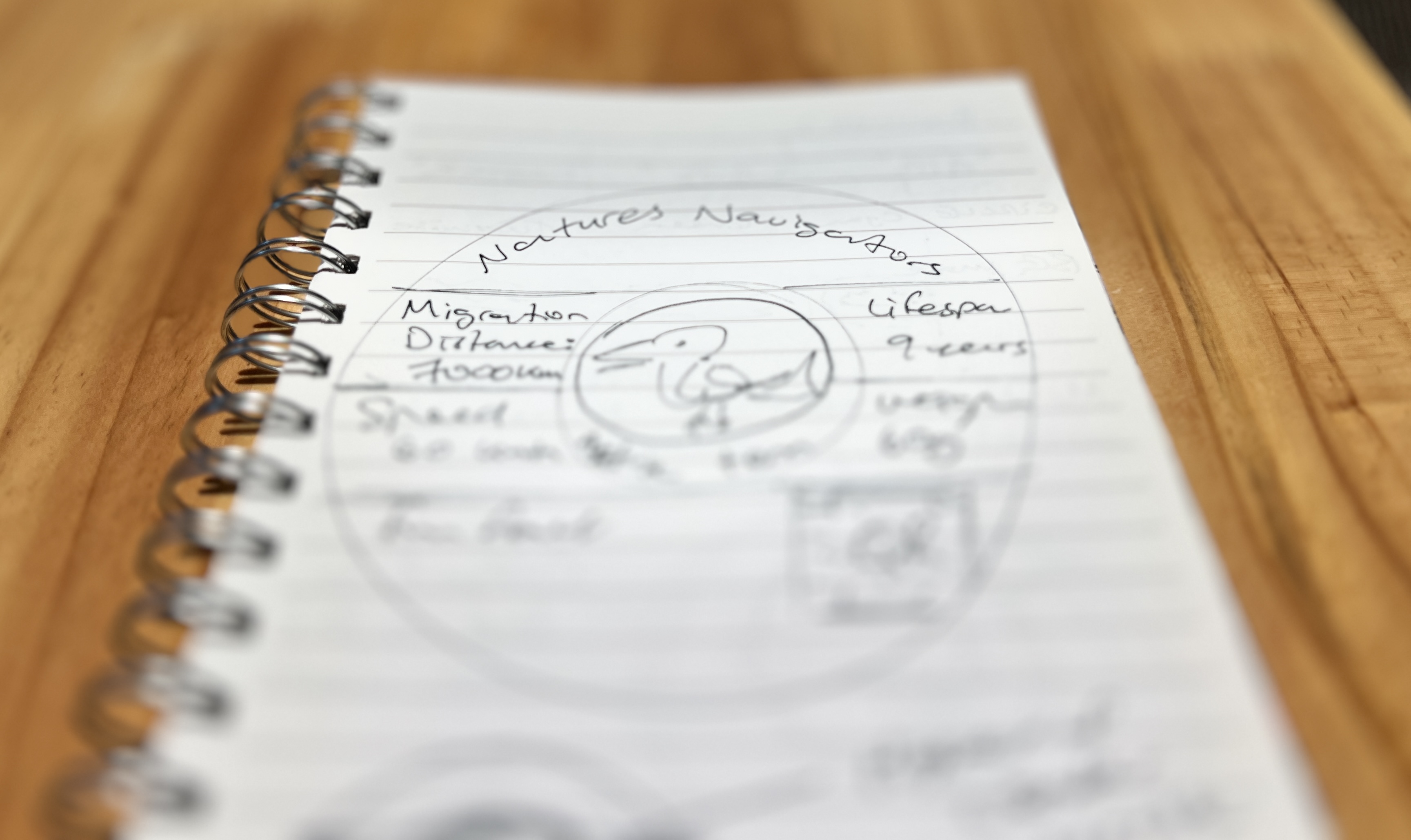
Designers often generate multiple concepts rather than committing to the first solution. Sketches, notes, diagrams and rough prototypes help explore different possibilities and identify strengths and weaknesses.
At this stage, creativity and experimentation are encouraged. The goal is not to find a perfect solution immediately but to discover the most promising direction.
Developing the Concept
After selecting a promising idea, the concept is refined.
Design decisions become more focused and practical considerations begin to influence development. Factors such as usability, manufacturing, materials, durability, cost and visual appeal are carefully evaluated.
The product gradually evolves from an idea into a realistic design that can be tested and improved.
Prototyping and Testing
Few successful products are created correctly on the first attempt.
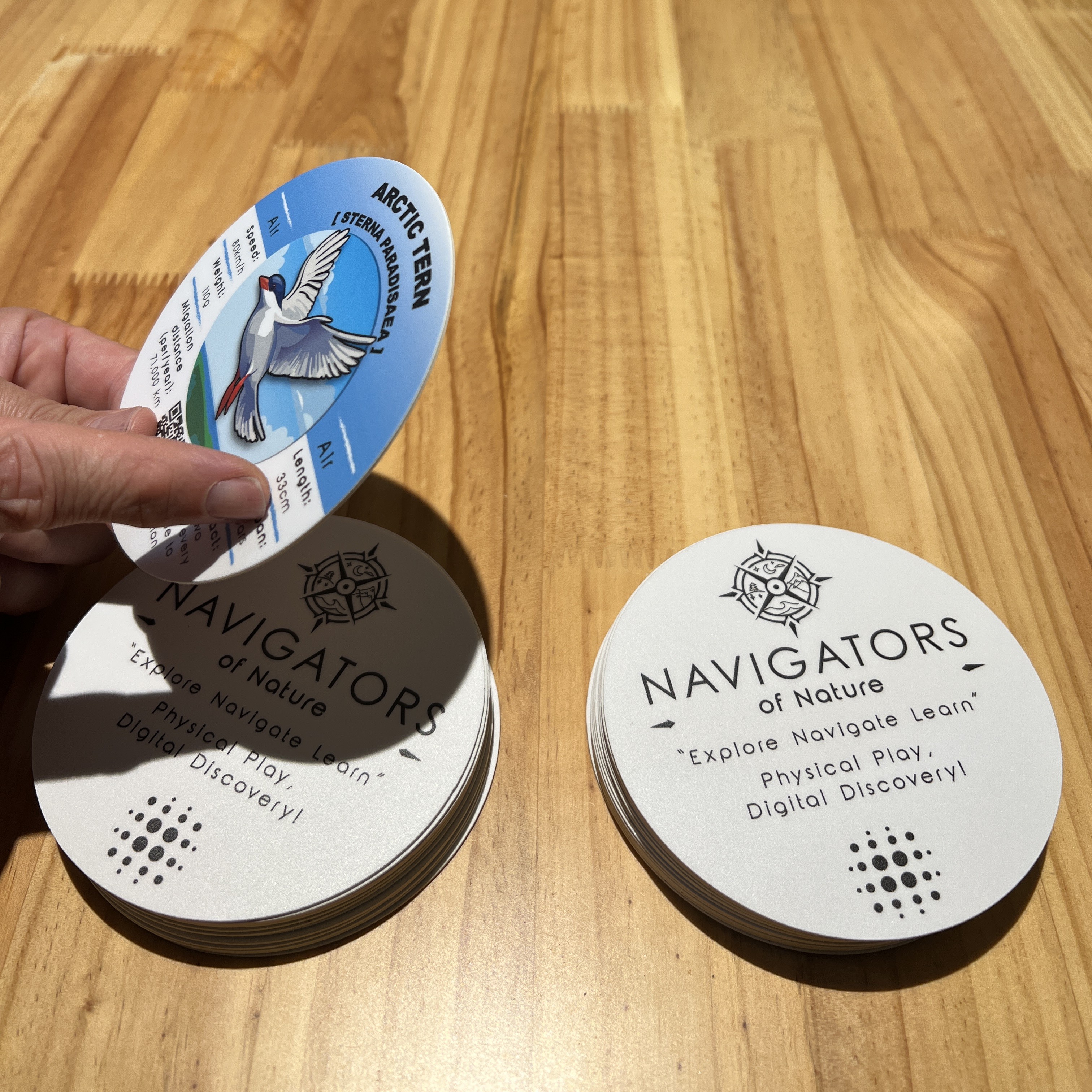
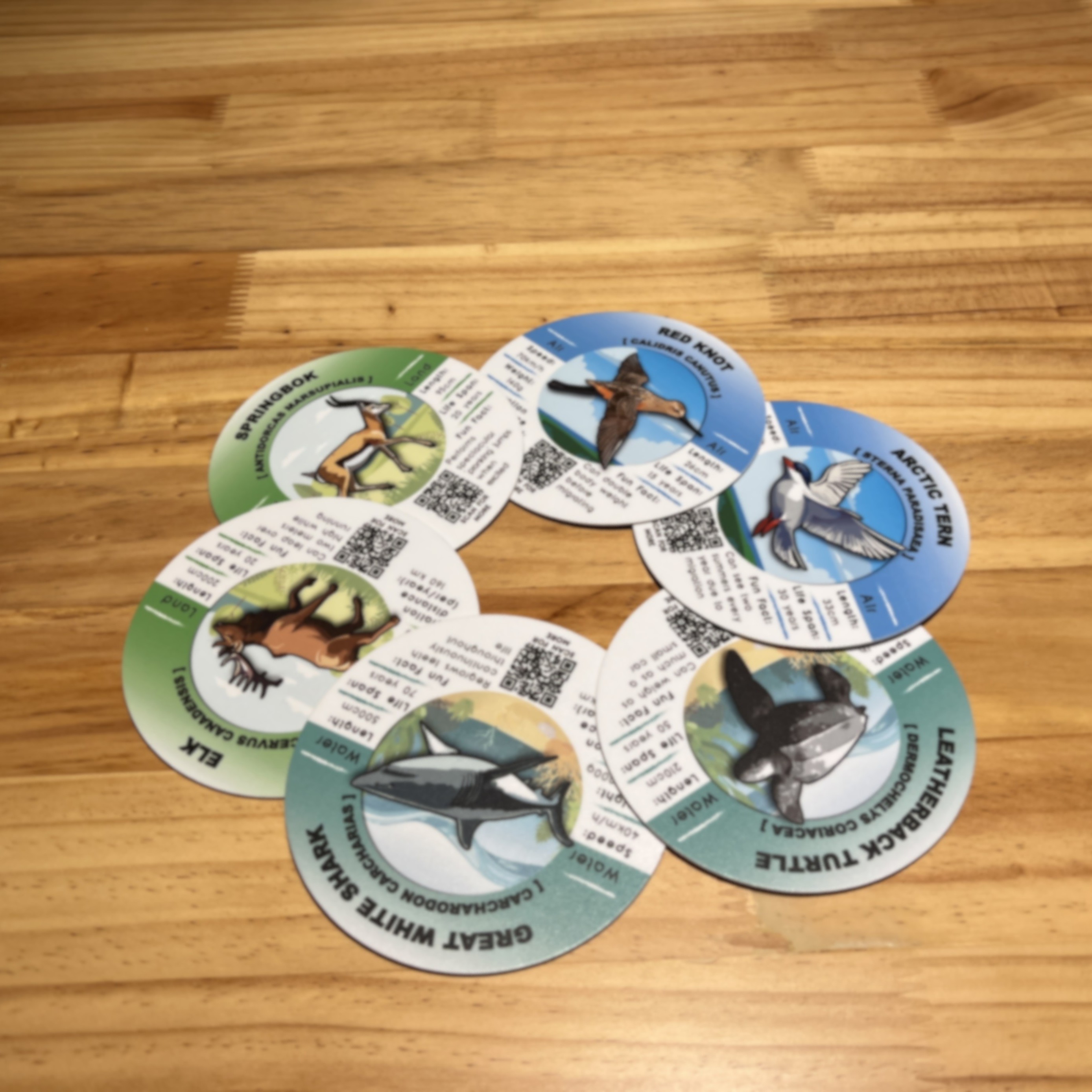
Prototypes allow designers to test ideas, identify problems and gather feedback before committing to production. Some prototypes are simple and made from basic materials, while others closely resemble the final product.
Testing often reveals opportunities for improvement that may not have been obvious during earlier stages of development.
Refinement and Improvement
Product design is an iterative process.
Feedback from testing is used to refine the design, improve functionality and enhance the overall user experience. Small adjustments can often make a significant difference to how a product performs and how it is perceived by users.
Multiple design iterations are common before a final solution is reached.
Preparing for Production
Once the design has been thoroughly tested and refined, attention turns to manufacturing and production.
Materials, packaging, graphics and presentation all become important considerations. Every detail contributes to the overall experience and helps ensure the final product reflects the original design intent.
The Value of the Design Process
Good products rarely appear by accident.
They are the result of research, experimentation, testing and continual improvement. A structured design process helps transform ideas into meaningful experiences that are engaging, functional and enjoyable to use.
At Bonza Creations™, this approach guides the development of exploration-focused gameplay experiences designed to encourage curiosity, discovery and engagement with the world around us.