
Top 10 Animal Migration Journeys in the World
Top 10 Animal Migration Journeys in the World
Animal migration is one of the most fascinating natural events on Earth. Every year, millions of animals travel huge distances across oceans, deserts, forests, and continents in search of food, warmer temperatures, breeding grounds, and survival.
These journeys demonstrate incredible endurance, navigation skills, and adaptation to changing environments.
1. Arctic Tern
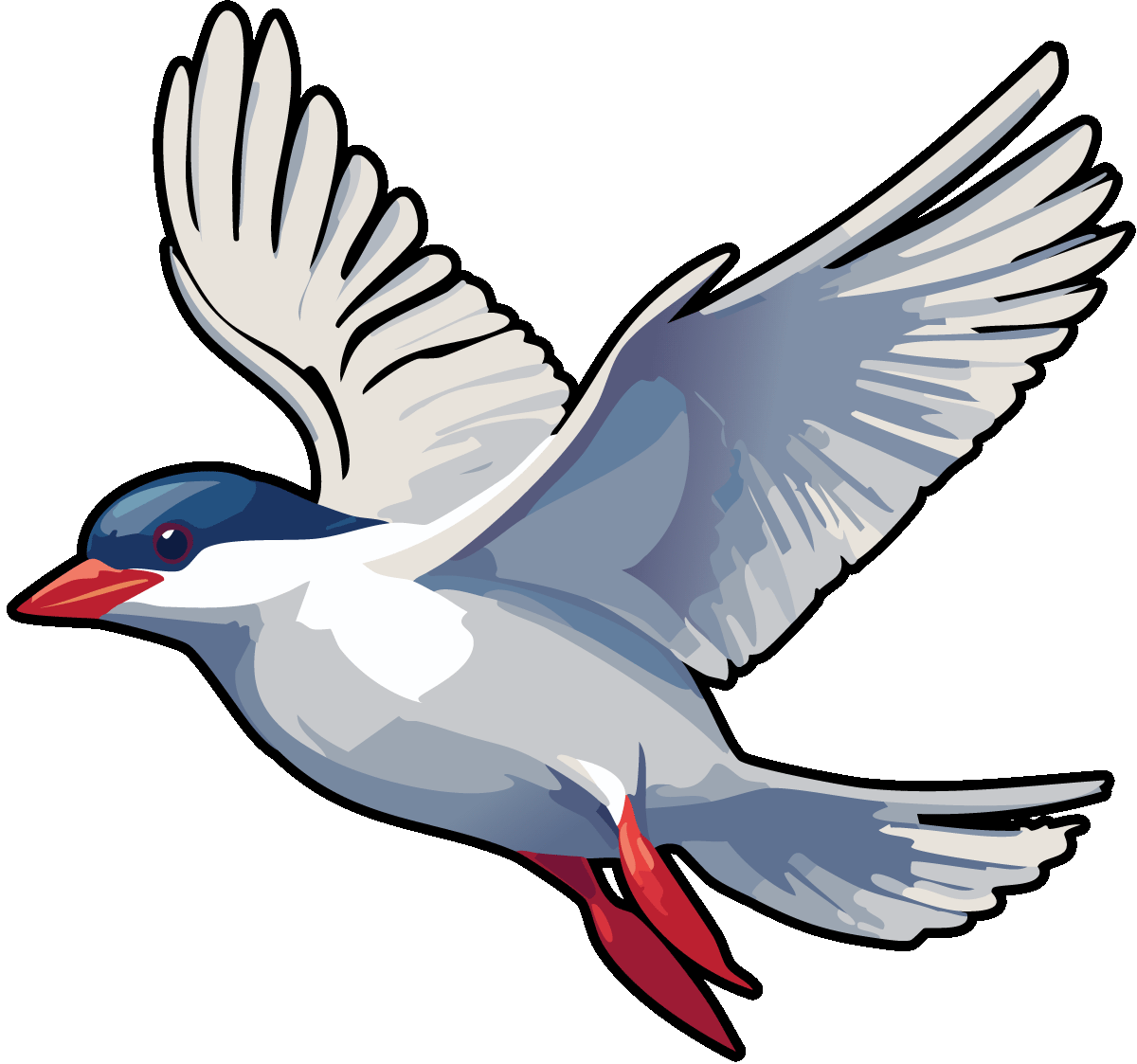
The Arctic tern completes the longest migration of any animal on Earth. It travels from the Arctic to Antarctica and back every year, covering around 70,000 km annually.
This small seabird experiences more daylight than almost any other creature on the planet.
2. Humpback Whale
Humpback whales migrate thousands of kilometres between cold feeding waters and warm tropical breeding areas.
Some populations travel over 8,000 km during a single migration season.
3. Monarch Butterfly
Despite their delicate appearance, monarch butterflies complete an extraordinary migration across North America.
Several generations work together to complete the full migration cycle.
4. Wildebeest
The Great Migration in Africa involves more than one million wildebeest moving across the Serengeti ecosystem in search of fresh grass and water.
This migration also supports predators such as lions and crocodiles.
5. Loggerhead Sea Turtle
Loggerhead turtles migrate across entire oceans using Earth’s magnetic field to help navigate.
Young turtles can travel thousands of kilometres before returning close to the beaches where they were born.
6. Caribou
Caribou complete one of the largest land migrations in the world.
Herds travel across Arctic tundra environments to reach seasonal feeding and breeding grounds.
7. Bar-tailed Godwit
This bird completes one of the longest non-stop flights ever recorded.
Some individuals fly more than 11,000 km across the Pacific Ocean without stopping to feed.
8. Zebra
Zebras migrate across parts of southern Africa following seasonal rainfall and grass growth patterns.
Their movement helps maintain healthy ecosystems.
9. Salmon
Salmon hatch in rivers, migrate into the ocean, then later return to the exact river where they were born in order to reproduce.
This journey often requires swimming upstream against powerful currents.
10. Elephant
Some elephant populations migrate seasonally between water and feeding areas.
These migration routes are extremely important for maintaining biodiversity and ecosystem balance.
Why Animal Migration Matters
Migration plays a critical role in maintaining ecosystems around the world. It supports biodiversity, distributes nutrients, controls populations, and connects habitats across continents and oceans.
Learning about migration also helps children and adults better understand geography, climate, navigation, sustainability, and conservation.
Continue Exploring Migration
Migration is one of the most impressive survival strategies in nature. From birds and whales to butterflies and wildebeest, these journeys connect ecosystems across the planet.
Learn more about how birds navigate these incredible journeys in our related article:
How Birds Navigate During Migration
Explore more wildlife-inspired experiences through Navigators of Nature® by Bonza Creations™.